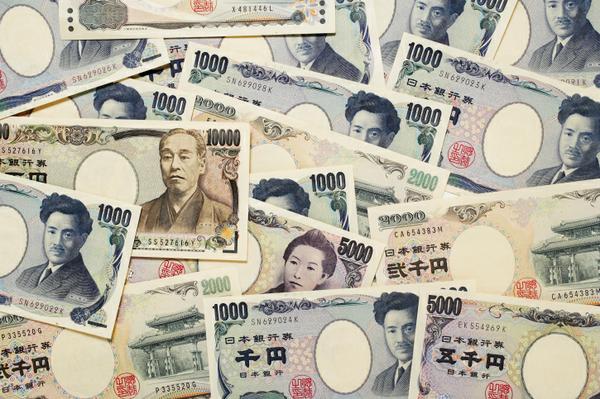
CURRENCY WAR 2.0 - It's here
It is getting started or at least it feels like it. Round one was fired by "Whatever it take" and "Abenonmics", by now you know the two countries that refers to. No! Europe and Japan respectively. In 2013 when they started currency devaluations the dollar rose and EMs and commodities got crushed. US was not exactly bothered about it till the late stages in 2015 when the US economy hit a
speed bump. All this at a time when QE3 was still in progress. Why did it happen? Countries decided to take turns to devalue their currencies against the dollar to stimulate global growth.
This time the US is very bothered about it and Trump appears loud about the Currency War being played out against the dollar. However his steps are not making the dollar any weaker. Note - The FED was recently slow in action on rates and the dollar index ended up rising even more after the event, opposite to expectations. Unhappy Trump is taking about putting more tariffs on China, and has his gun pointed
and many other nations including India. But how is this bearish for the dollar? If China exports less to the US fewer dollar leave US shores and the dollar gets stronger, that is just math based on flows. In other words go not by what he is saying but what he is doing and you see a stronger and not weaker dollar. Europe and Japan have already peledge more stimulus as their economies are de-growing rapidly. The US is also slowing but behind the curve compared to its other developed market peers.
In short that is dollar bullish on a relative basis.
Why do countries adopt currency Wars? They believe if growth slows they need to stimulate it. Fiscal or monetary, is the choice and monetary is either outright printing or QE/OMOs, or just weaken the currency.
Here are some interesting charts fro Twitter from 'Raoul Pal'

So far the root of the problem is only Manufacturing, and not so much services. And similarly I was asked online that if Transports are down how does it matter in a world that has gone online to do business. Logistics are a integral part of online sales and that is transport. Services are often an offshoot of the rest of the industry. Like Financial services that finance Autos. There are lead lag
effects but we cannot ignore Manufacturing. So in that sense look at Indian Services PMI.

Around the world however it is manufacturing that has taken the lead as reflected in the global PMI falling below 50.

The highlight was this last chart where the country wise breakup of the PMIs shows only 3 above 50 or expanding still, and the rest are in contraction. So the slowdown is anything but a global phenomena.

And the following chart and others like it show that the above is not a one time spike event like we often see on the growth side of Indian IIP. These are multi month trends as seen in Germany [chart from Hedgeye]

Cutting interest rates is just one of the ways to express the desire to weaken your currency. However it does not always work. In 2013 USDINR went up because of an actual overload of corporate refinancings in FCCBs etc. And the RBI raised rates several times to keep it going above 69.

This time around the rhetoric last year before the elections was that a weaker rupee would be good for the Indian economy. So I would not expect much in the form of worry or an official intervention from authorities to heep the currency from weakening. This chat published to Subscribers today highlights that on weekly charts USDINR's weekly momentum crossed over to the bullish side after a positive divergence.
This time we are part of the currency war and happy participating. The US might not like it but then it looks like they want a stronger dollar based on their actions. The real question then is whether all this will help in boosting the economy.

Last year for the first time in many years I witnessed a rising USDINR and a rising NIFTY. A rare trend but I wonder if that will become a more often seen phenomena if devatuations are perceived as positive stimulation. We have seen that happen in countries like Argentina where the stock market goes up along with devaluations in lock step.

While there are many reasons for India to be concerned they are not new. What is new is that everyone is crying foul after this years Interim budget. Expectations of a stimulative budget from a strong new government were missed. But more than that what was keeping the stock market propped up was liquidity from offshore and the new tax on the rich that hits FIIs as hard as others has taken the wind out of
liquidity. This is the real reason for people crying foul. No one was bothered last year even though the economic data was no different.

Now that the problem is global it will take more than an Indian stimulation and so all the nations around the world are betting on using a weaker currency against the US to create artificial inflation to boost growth numbers. Inflation is the hidden metric that when measured wrongly gives the better perception of economic growth measured in real GDP, and also helps in lowering long term Debt/GDP rations. So if
that game is to succeed long term, guns will be fired many times over in cycles for years to come.

Thus measuring and mapping the cycles of inflation and deflation is what we have to get used to and apply it to our investment and business strategy. The first move in a dollar strong world will be toward deflation in sense of things. Later the currency stimulation will have to get large enough to create inflation or who knows stagflation depending on how you define your state of metrics. As I write this note,
based on media reports, the govt is also talking about rolling back the impact of the new rich tax on FIIs registered as trusts. This could ease the pressure on FIIs to sell if it was triggered only by tax concerns and not the concern that the Indian economy is becoming a basket case. By now the government should have realised that inflationary policies alone will not revive animal spirits. That has helped keep us afloat but the returns in Nifty have not beaten inflation for a decade now. The
inflation adjusted nifty is below its 2008 high. Some stocks have done very well but not the main index, even after achieving the highest level of rotation among index components to make it look pretty. This chart from the "Indian Economic Winter 3.0" report spelt it out.